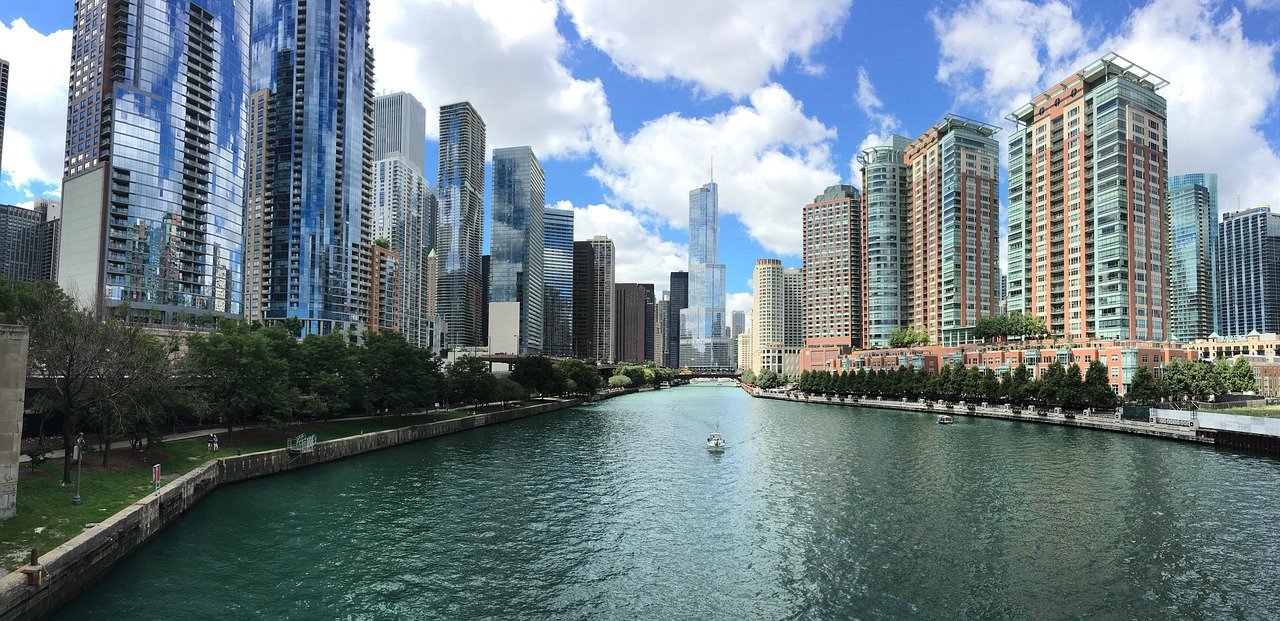

8188108778 is a number with a 818 area code, which belongs to the San Fernando Valley area of Los Angeles, but no owner is confirmed here. The list below covers what the digits can and cannot reveal and what to do first if it contacted you.
| Number in other forms | (818) 810-8778 and +1 818 810 8778 |
| Area code home | San Fernando Valley, Los Angeles County |
| Line type | Geographic code, not toll-free |
| Named owner | None given on this page |
| Cheapest check | Your own call history and voicemail |
| Items below | Four short lists, thirty minutes at most |
Six facts to keep in mind about 8188108778
Start with what is solid and what is only a guess. These points hold for almost any ten-digit number that shows up unannounced:
- The digits do not carry a name. Nothing in 8188108778 says who pays the phone bill.
- A caller can show a number they do not own, so the screen proves little.
- Silence on the search results does not make a number risky, and a busy comment thread does not make it guilty.
- Real organisations leave a voicemail that says who they are and why they called.
- Pressure to act within minutes is a feature of manipulative calls, whatever number they come from.
- You are never obliged to answer, return the call or confirm anything to a stranger.
Taken together, these facts point to a sensible default. Treat an unexplained contact as unverified, give it no personal information, and let the evidence come to you through channels you picked rather than through the caller’s.
What the 818 code in (818) 810-8778 points to
The 818 area code was created in 1957 when the original Los Angeles code was divided, and it serves communities in the San Fernando Valley such as Burbank, Glendale, Van Nuys and Sherman Oaks. A second code, 747, was later laid over the same territory.
Keep the limits in mind:
- People keep their numbers when they move, so the owner may live anywhere.
- Calling software can display a number from a place the caller has never been.
- The 810 block in the middle is an exchange that tells you almost nothing today.
- Because 818 is not toll-free, it could be a person, a shop, an office or an automated dialler.
Four free ways to search 818-810-8778
You do not need to pay a lookup site for this. Work through the options in order and stop when you have a clear picture.
- Your own phone. Check recents for earlier calls, your contacts for a saved version of the number and your messages for any thread.
- Exact-match web search. Put quotation marks around 8188108778, then 818-810-8778, then (818) 810-8778, then +1 818 810 8778. Formats change what the engine finds.
- The voicemail. If a message was left, listen for a company name, a reference number or a reason, and write them down exactly.
- Someone close to you. A partner, parent or colleague may have been called from the same line and recognise it.
If none of these produce a match, you have still learned something: the call does not connect to anything you recognise. Proceed carefully, and do not fill the gap with the first guess a stranger posts online.
Warning signs if 8188108778 contacted you
None of the signs below prove anything about a particular number. They describe the way manipulative calls and texts commonly behave, whatever number appears on the screen.

- A demand to act now, or a threat of arrest, a frozen account or a cancelled service.
- A request for gift cards, a wire transfer or a cryptocurrency payment.
- An instruction to install software that lets the caller control your device.
- A request to read back a one-time code that just arrived on your phone.
- A message asking you to verify an account, with a link or a number to ring.
- A caller who will not say which organisation they represent, or who gets angry when you ask.
If you spot more than one, end the contact. You can hang up without explanation. Then look up the organisation they claimed to represent from its own website or a printed statement and ask there.
A single odd call is rarely worth worrying over. Repeated calls at odd hours, several different numbers with the same script, or a message that mentions details about you that you never shared are better reasons to take the contact seriously and to write each instance down.
What to do with a voicemail or text from +1 818 810 8778
- Do not tap links in a text. If it names a company you use, open that company’s app or type its address into your browser yourself.
- Do not reply STOP just to see what happens; replying can confirm that your number is live.
- Save the voicemail or take a screenshot of the text before deleting anything.
- Forward spam texts to your carrier’s reporting short code if it has one; look up the current one on the carrier’s support page.
- If the message sounds like someone you know in trouble, call that person on a number you already hold.
Five phone settings that quiet 8188108778
- On iPhone, open Recents, tap the info button and choose Block this Caller.
- On Android, press and hold the call entry and choose Block or Report spam.
- Switch on Silence Unknown Callers (iPhone) or Call Screen and spam protection (many Android phones).
- Turn on the free spam filter from your carrier, if it offers one.
- Add the number to a notes entry, so that you remember it was blocked on purpose.
Phones differ, and menu names shift between software versions, so if a step does not match what you see, search your handset’s support page for “block a number”. A carrier’s help line can also walk you through its own filtering tools at no charge.
Blocking is reversible. If it turns out that you needed a call from that line, go to settings and remove it from the blocked list.
If you already answered 8188108778
Take it step by step. Giving a name or saying hello is not a disaster, but handing over financial or login details needs a swift reply.
- Stop talking to the caller and do not follow further instructions.
- Call your bank or card issuer on the number printed on the card if you shared account or card details.
- Change passwords for any account involved, from a device you trust.
- If you let someone onto your computer, disconnect it from the internet and ask a technician to check it.
- Report what happened to the Federal Trade Commission in the United States or the Canadian Anti-Fraud Centre in Canada.
Keep notes of dates, amounts and names used. Even a rough record helps your bank and any investigator who looks at the case later.