The number 4163501490 is written as ten unbroken digits, and its first three show a Toronto area code, which is about all the format can offer. This page explains that code, the limits of caller ID and the steps that keep an unexpected call from turning into a problem.
| Item | Detail |
|---|---|
| Number as written | 4163501490 |
| Number type | Geographic |
| Area code and region | 416, Toronto, Ontario |
| Country and plan | Canada, North American Numbering Plan |
| What to do first | Leave unknown calls to voicemail and verify any named organisation yourself |
What 416 means
Area code 416 serves Toronto, Ontario. After it come the exchange 350 and the line number 1490. Seeing 416 therefore suggests a Toronto-area assignment at some point, which is a reasonable thing to note and an unreasonable thing to build conclusions on.
Why the area code is not proof of location
A geographic number may have been ported to another carrier or place, so the area code shows where the number was first assigned, not where the caller is. Mobile numbers travel with their users, and internet phone services can hold numbers from anywhere. The owner of a number cannot be confirmed from the number alone, which is why a lookup or a guess from a few digits should never replace independent checking.
Verifying an unexpected caller
A few routines work for every unfamiliar number.
- Decide whether you were expecting a call. If not, there is no need to pick up.
- If someone claims to represent a company or platform, locate its official website independently and read its published contact options.
- Return a call only through an official number you found yourself.
- Do not read out login codes, passwords or payment card details to a caller who rang you first.
- Be sceptical of anything that depends on speed or secrecy.
Blocking and reporting in Canada
Registering a number on the National Do Not Call List at lnnte-dncl.gc.ca limits many telemarketing calls and lets residents submit a complaint when they continue. The Canadian Anti-Fraud Centre, at antifraudcentre-centreantifraude.ca, receives reports of suspicious contact and publishes general advice. Readers in the United States who get a similar call can use reportfraud.ftc.gov and donotcall.gov.
Voicemail and carrier filtering
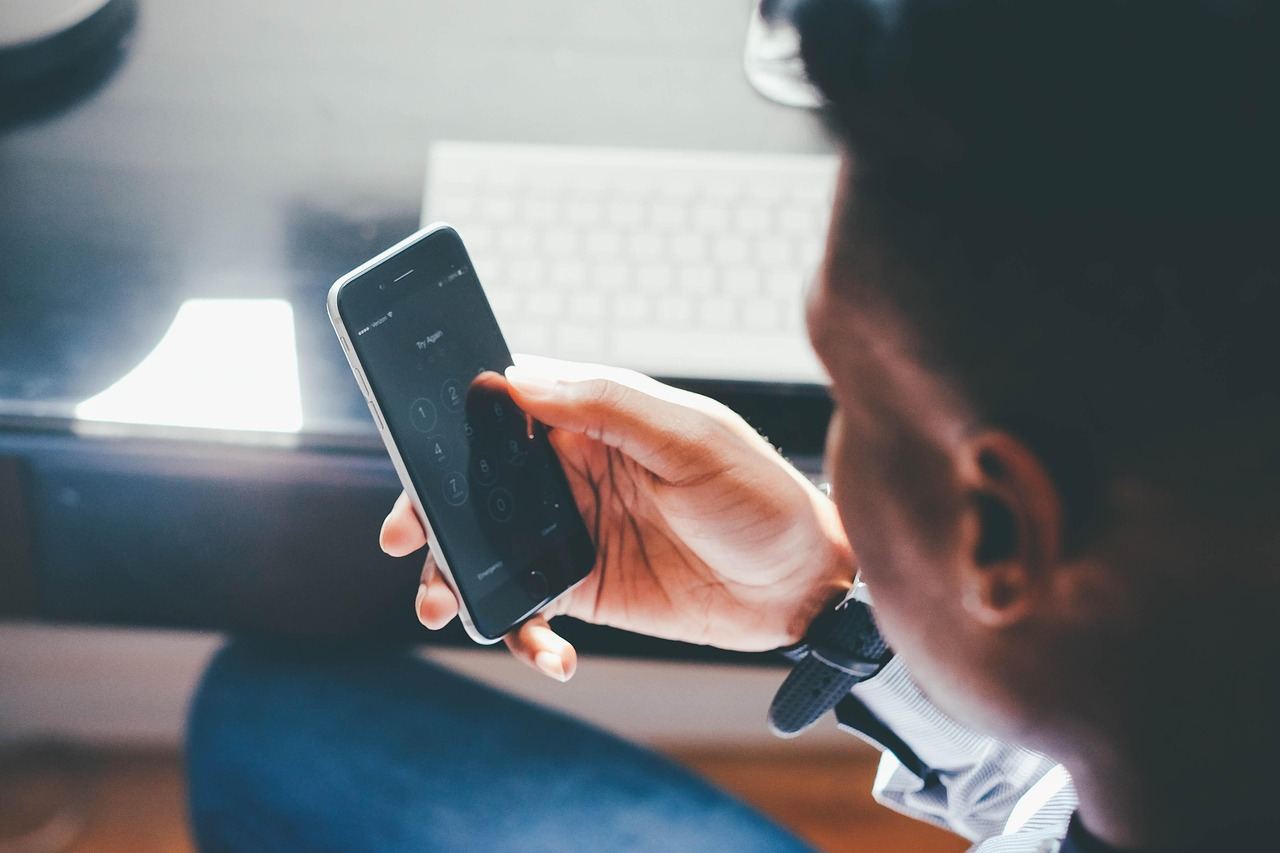
Voicemail is a comfortable buffer. It lets you hear a stated purpose without committing to a conversation. Most phones let you block a number or send unsaved contacts to silence, and many carriers offer general call-filtering features. Because names and menus change from provider to provider, look at your own settings or carrier support pages. Keep your greeting plain, and avoid stating your address or full name.
Protecting creator accounts from phone pressure
Content creators and small online businesses often publish contact details, which can lead to unexpected calls about advertising, sponsorships or account problems. A phone call is a poor way to authorise anything involving a login. If a caller says an account will be locked, a verification badge is ready or a payment is waiting, end the call and check the platform’s own app, dashboard or help centre. Use a separate business email address for public listings, and keep two-step verification switched on. For the digits 4163501490, the only dependable details are the Toronto area code and the length of the number. Any decision about an offer should rest on written terms and official pages found independently, never on the voice on the line. Keeping a short list of trusted official contact pages, saved in a bookmarks folder, makes later checks quick and removes the temptation to rely on whatever number happens to be on screen. Sharing the same habit with family members or housemates also helps, since an unexpected caller often tries whoever picks up first.
Reading 4163501490 in its written forms
The same line can appear in several layouts: (416) 350-1490, +1 416 350 1490, or as plain digits such as 4163501490. All of them describe one number. The leading +1 is the North American country code, followed by the three-digit code 416 and the seven-digit local part. A call log, a text thread or a voicemail transcript may use any of these styles, so a search for one layout can miss results filed under another.
The layout says nothing about who is using the line. It only shows how the number is formatted in a given place, and the same digits can be written differently by a phone, a carrier or a website.
Texts and voicemails from 4163501490
A text or voicemail from this number deserves the same care as a call. Messages that arrive without context, or that ask for quick action, are best left unanswered until the sender can be checked by other means. Links in a text should not be opened from an unknown sender; typing the official address of any named organisation into a browser is safer.
If a voicemail names a company, a delivery or an account, look up that organisation through its official website and use the contact details listed there. A message that cannot be matched to anything in an account or order history is not a reason to call back.
Warning signs and what to do if details were shared
Several patterns tend to appear in unwanted or risky calls: pressure to act urgently, requests for gift cards or transfers, offers of remote access to a computer, and requests for one-time codes sent by text. Any one of these is a reason to end the call. None of them can be judged from the digits of the number alone.
If personal or payment details were already shared, contact the bank or card issuer through the number printed on the card, change passwords for affected accounts, and watch statements for unfamiliar activity. Reports can then be filed through the agencies named above.
Common questions about 4163501490
Where is area code 416?
Area code 416 is associated with Toronto, Ontario.
Does a 416 number mean the caller is in Toronto?
Not necessarily. Numbers can be ported or forwarded, so the code shows only where the number was first assigned.
Can the owner of 4163501490 be confirmed?
No. The owner cannot be confirmed from the number alone. Use official websites and contact details you find yourself.
Where are unwanted calls reported?
In Canada, use lnnte-dncl.gc.ca and the Canadian Anti-Fraud Centre. In the US, use reportfraud.ftc.gov and donotcall.gov.